
Bruton Design Intensive 2025 Workshop
"FOOD"
In Partnership with Everyone Village and Everyone Church
Food is one of the basic needs for every living being and food insecurity represents one of the most pressing threats we can face. Despite the United States having the highest gross domestic product globally, food and hunger are becoming an ever-greater challenge for many. In addition to the basic
and daily need for food, growing, preparing and eating it has an enormous social dimension and significant potential to build community. The daily ritual and routine of eating bridges outer regions—such as the fields, cities, markets and communities that produce and provide food—with inner, personal and shared spaces like the kitchen, dining table, and own stomach.
Workshop Details
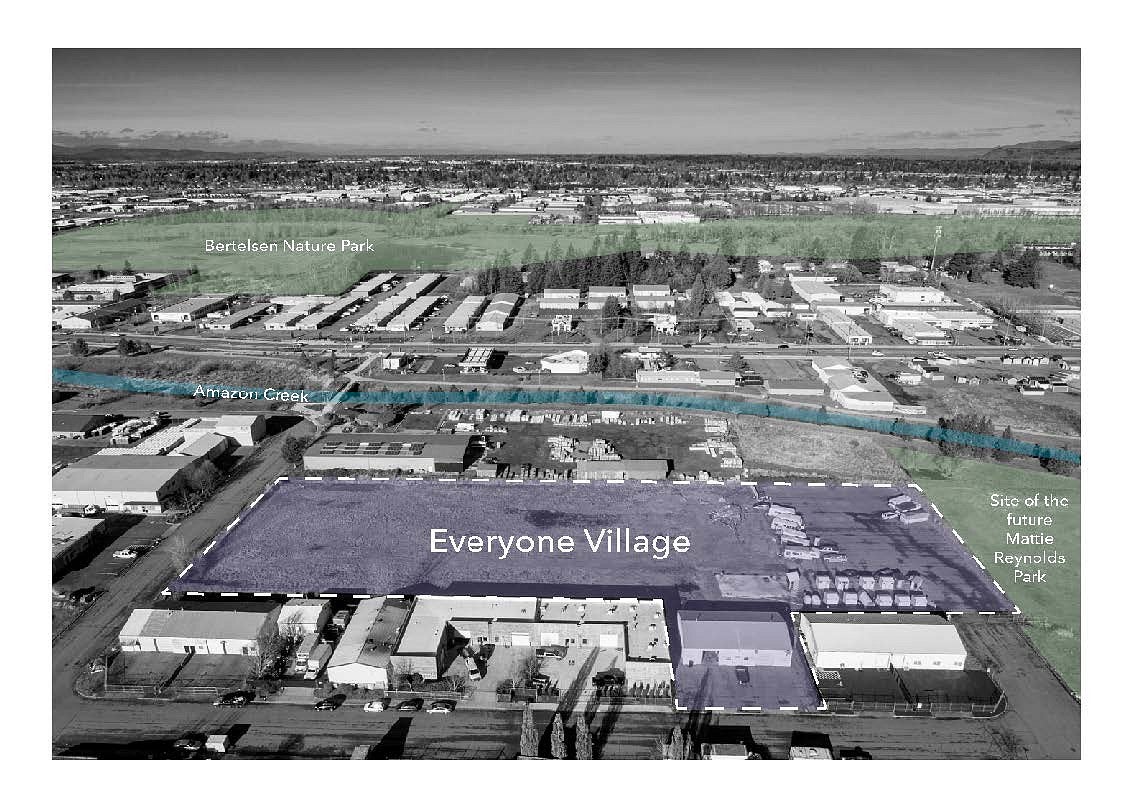
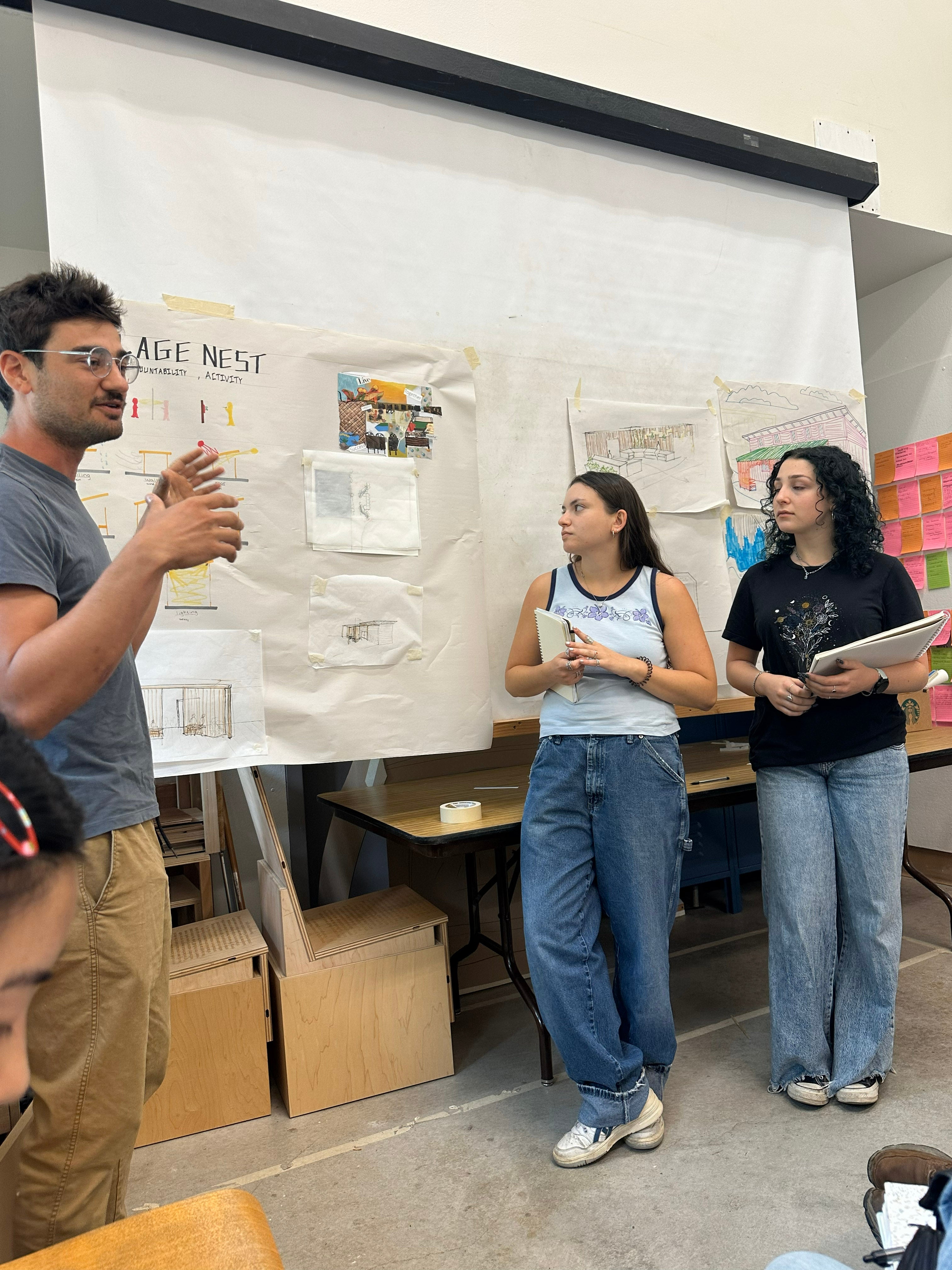
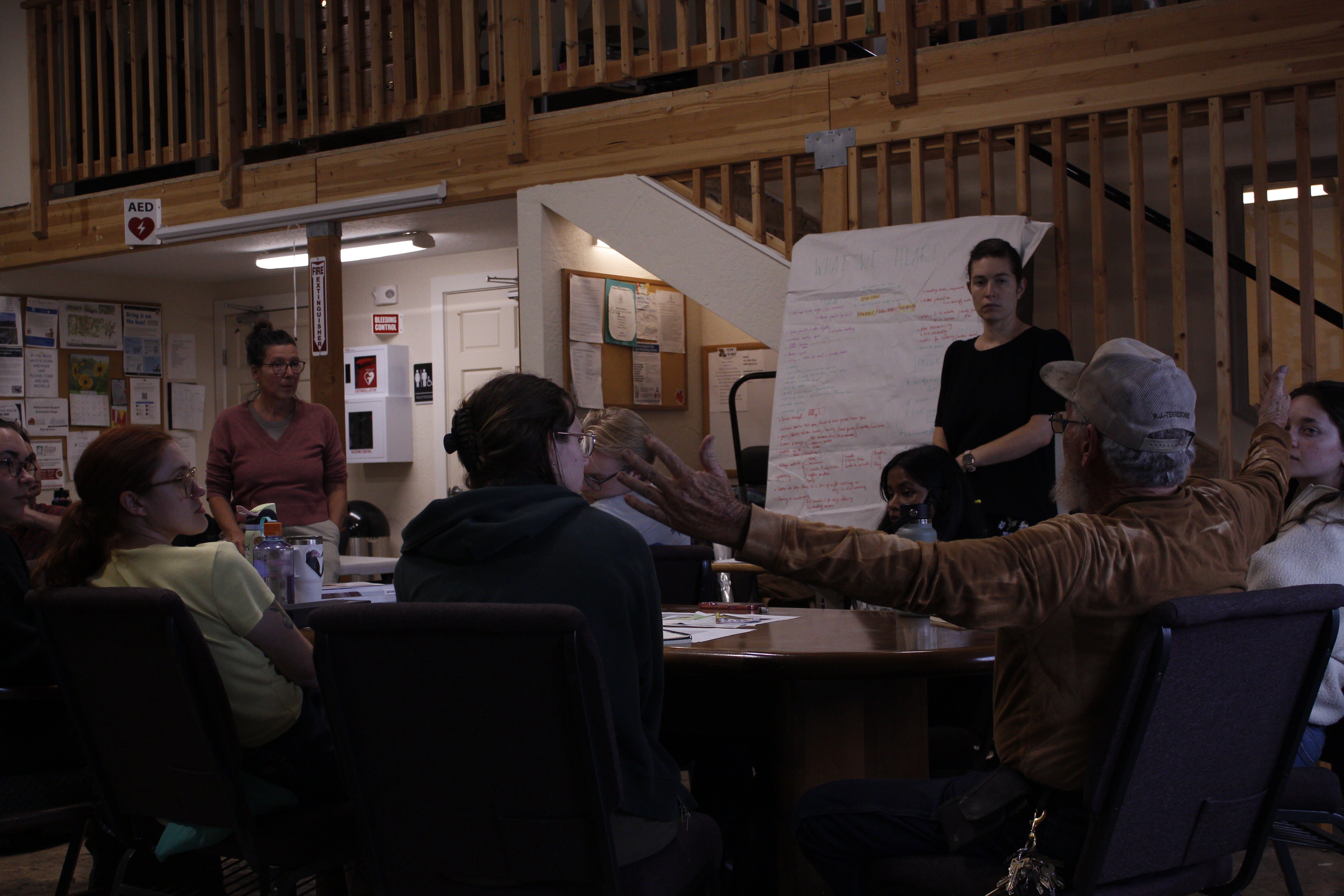
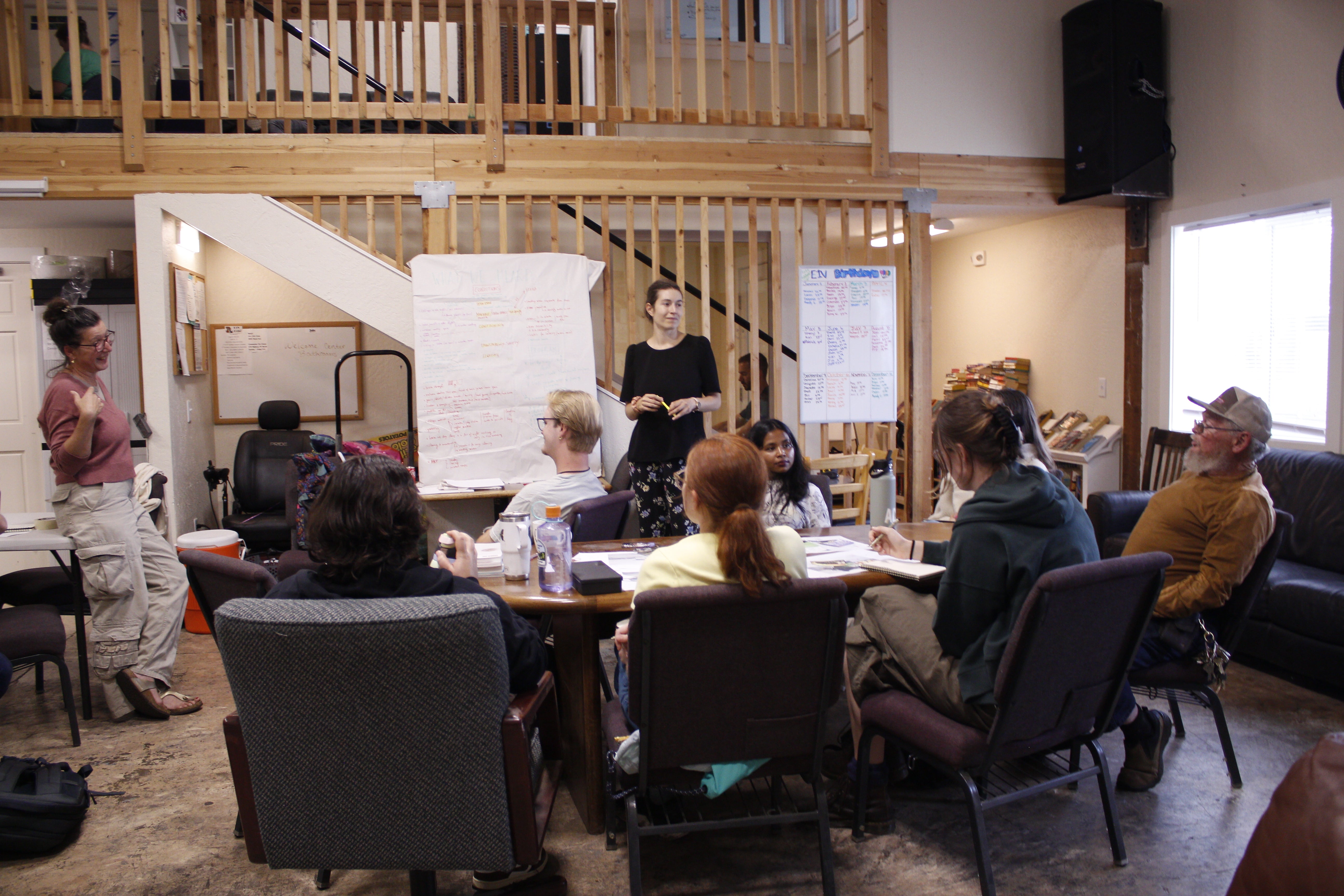
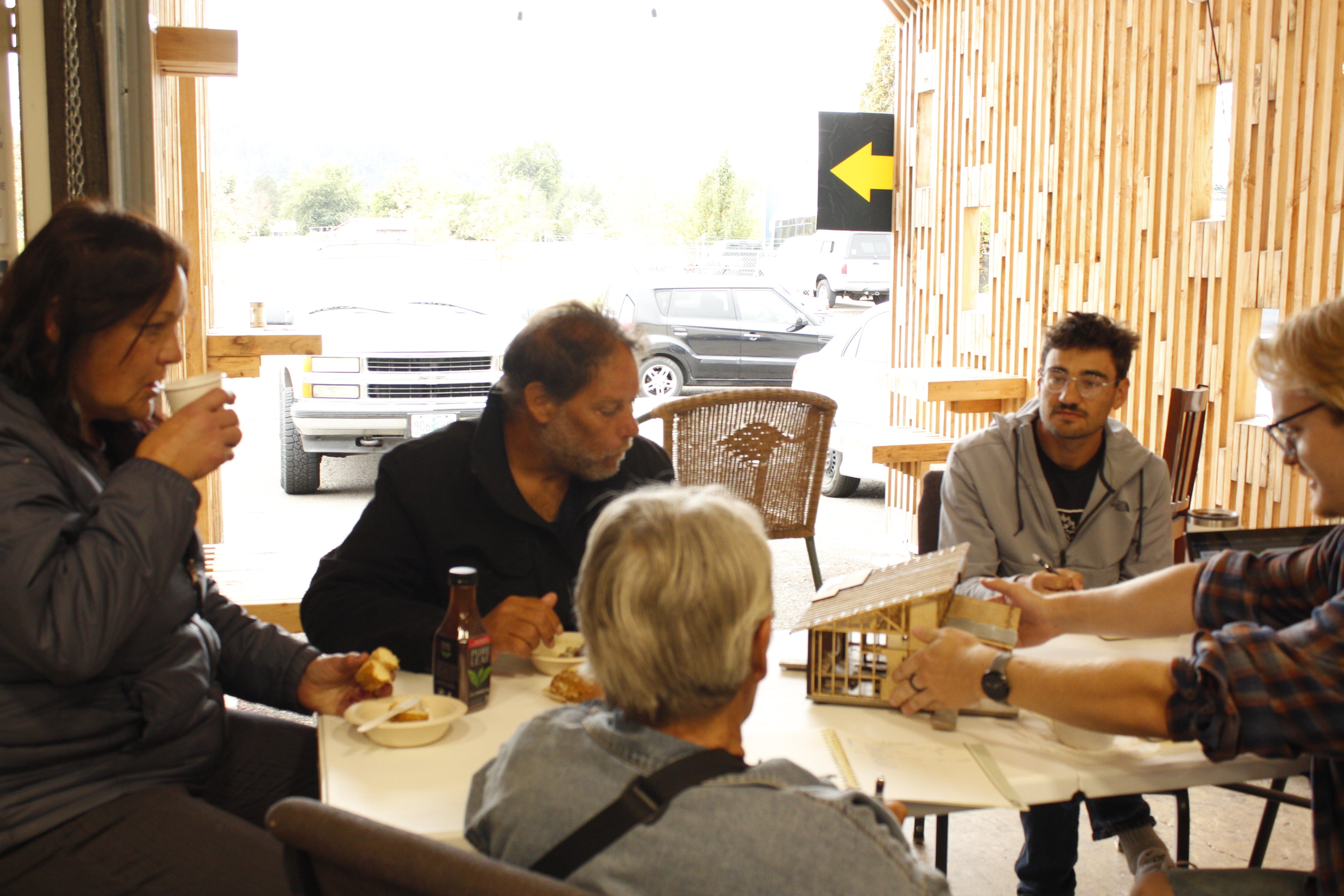
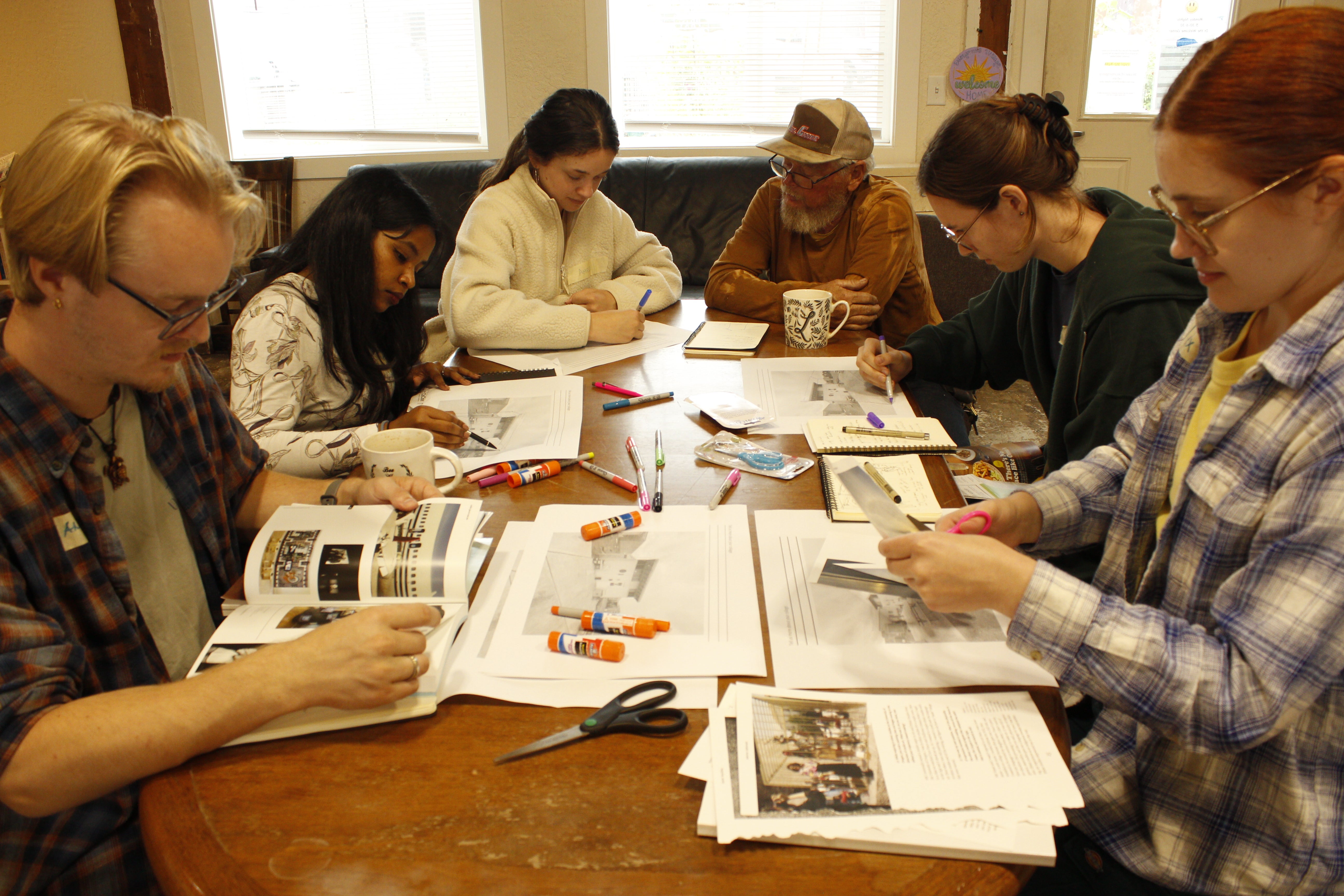
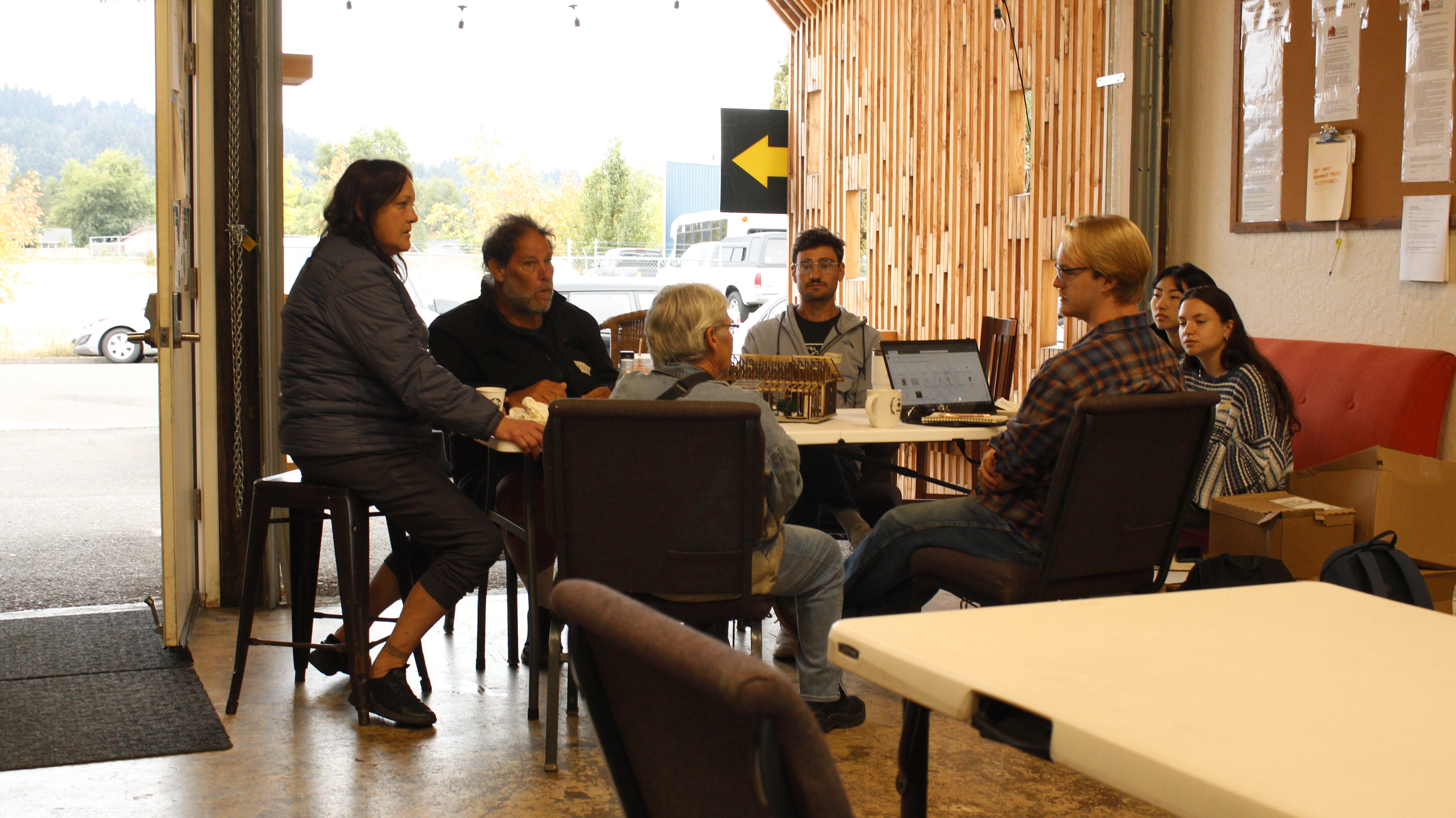
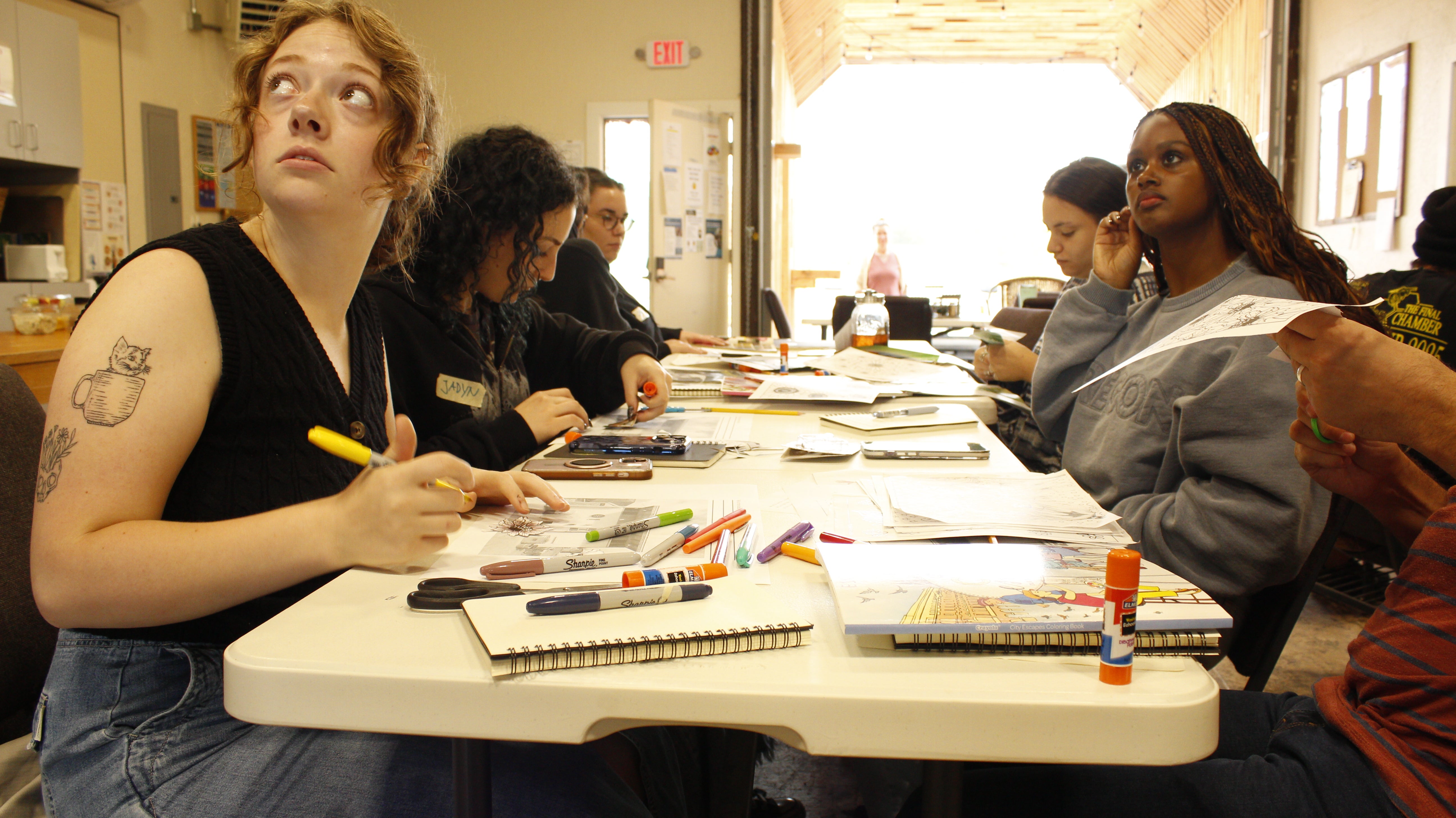
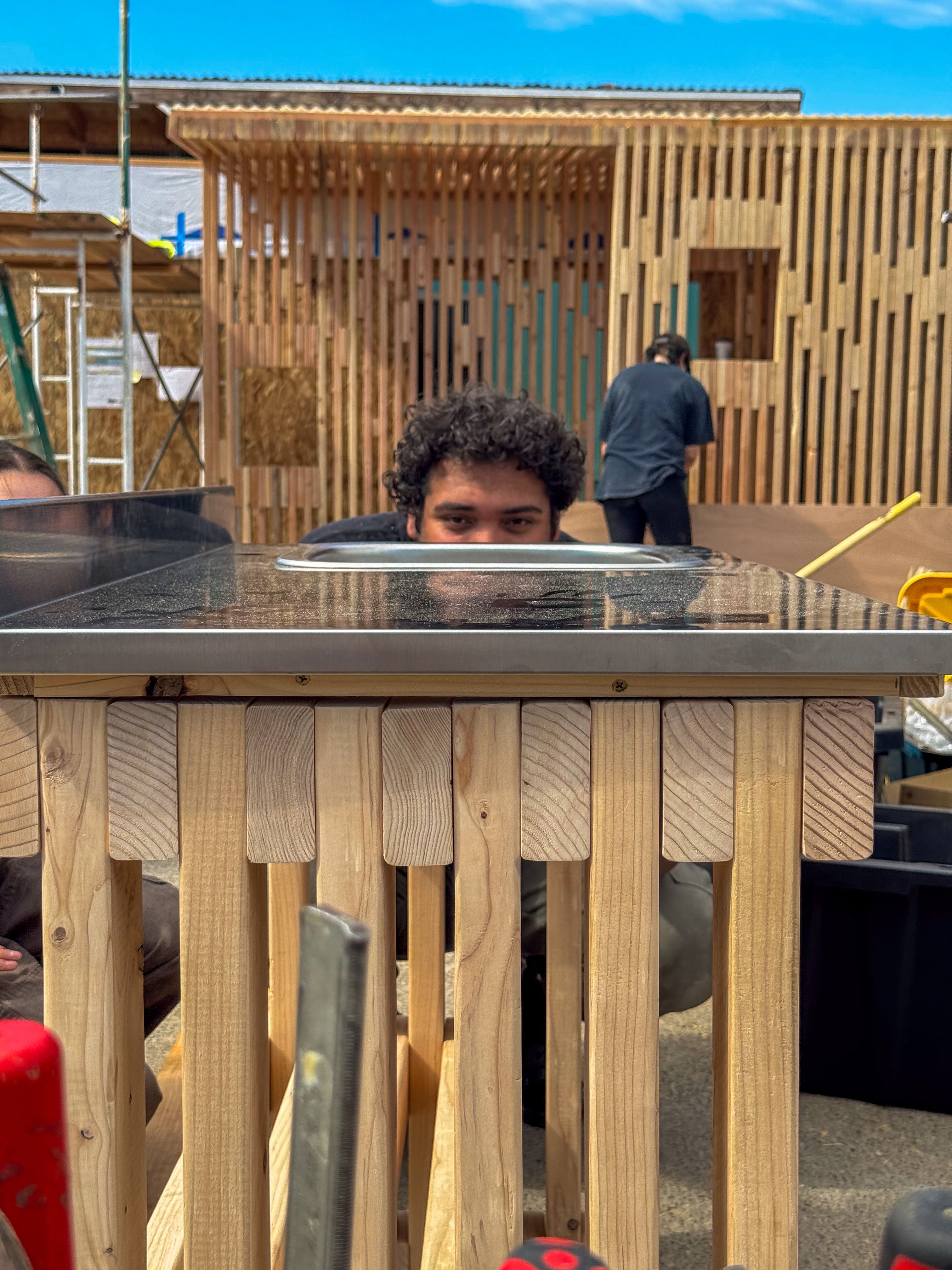
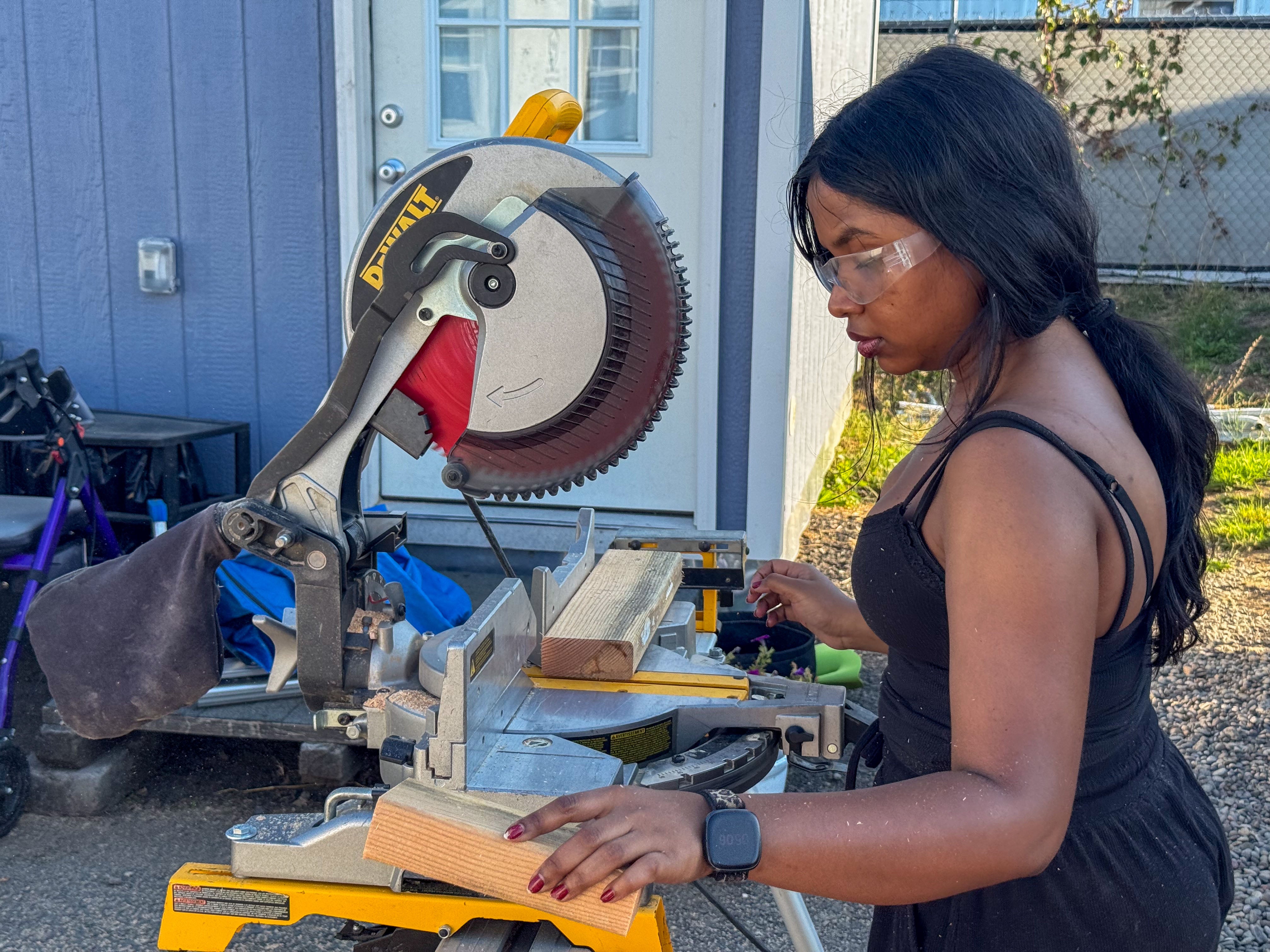
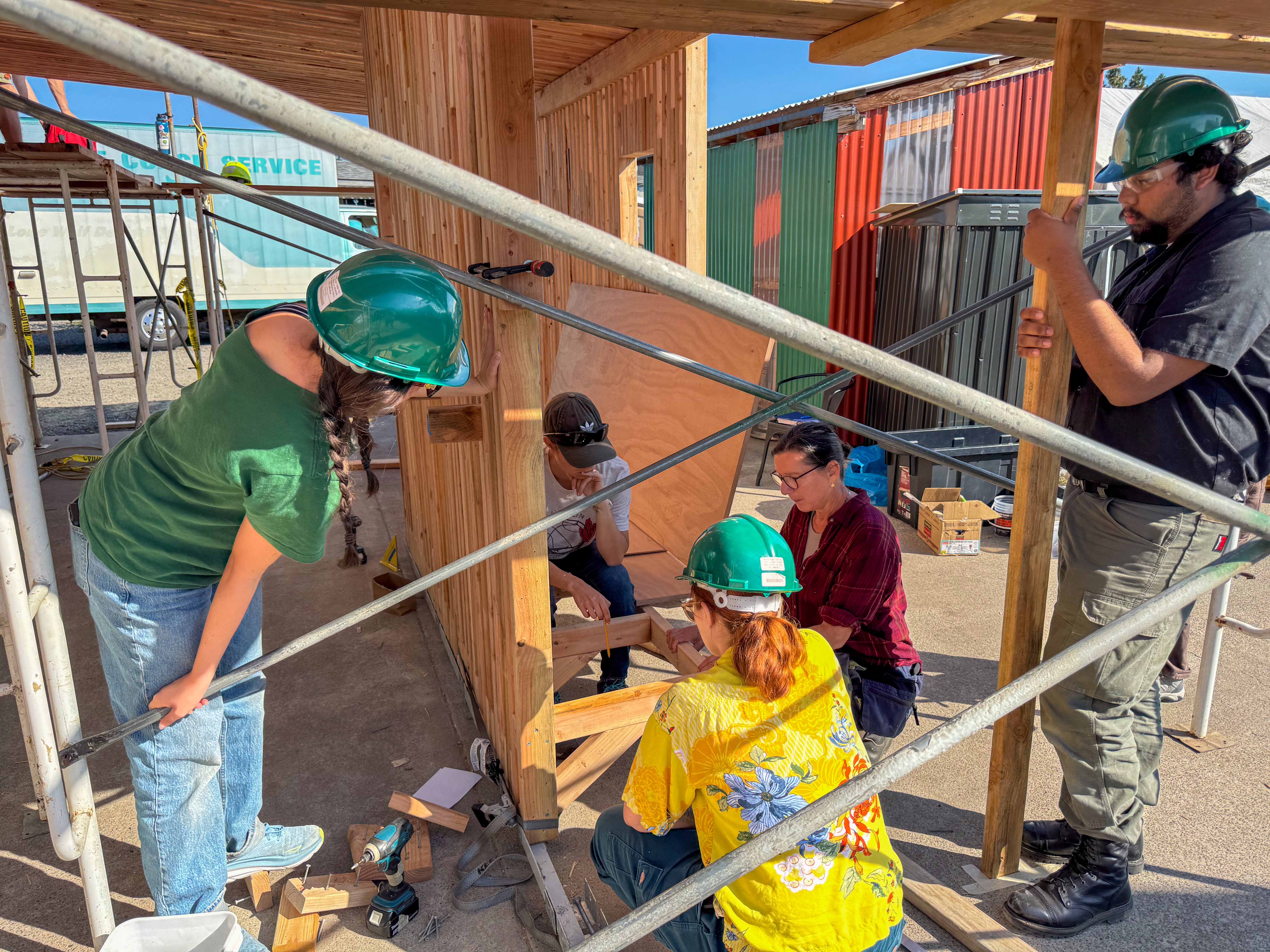
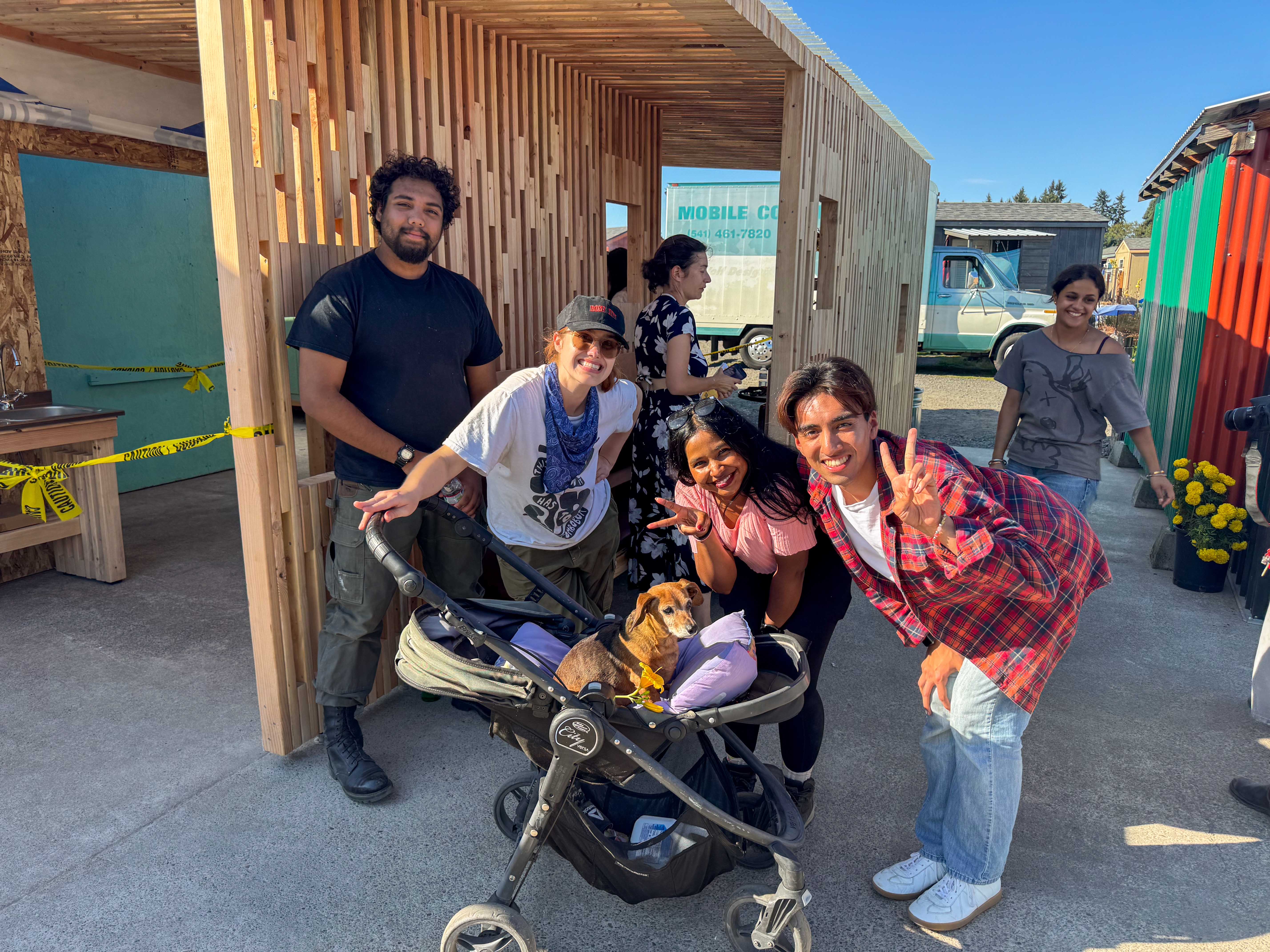
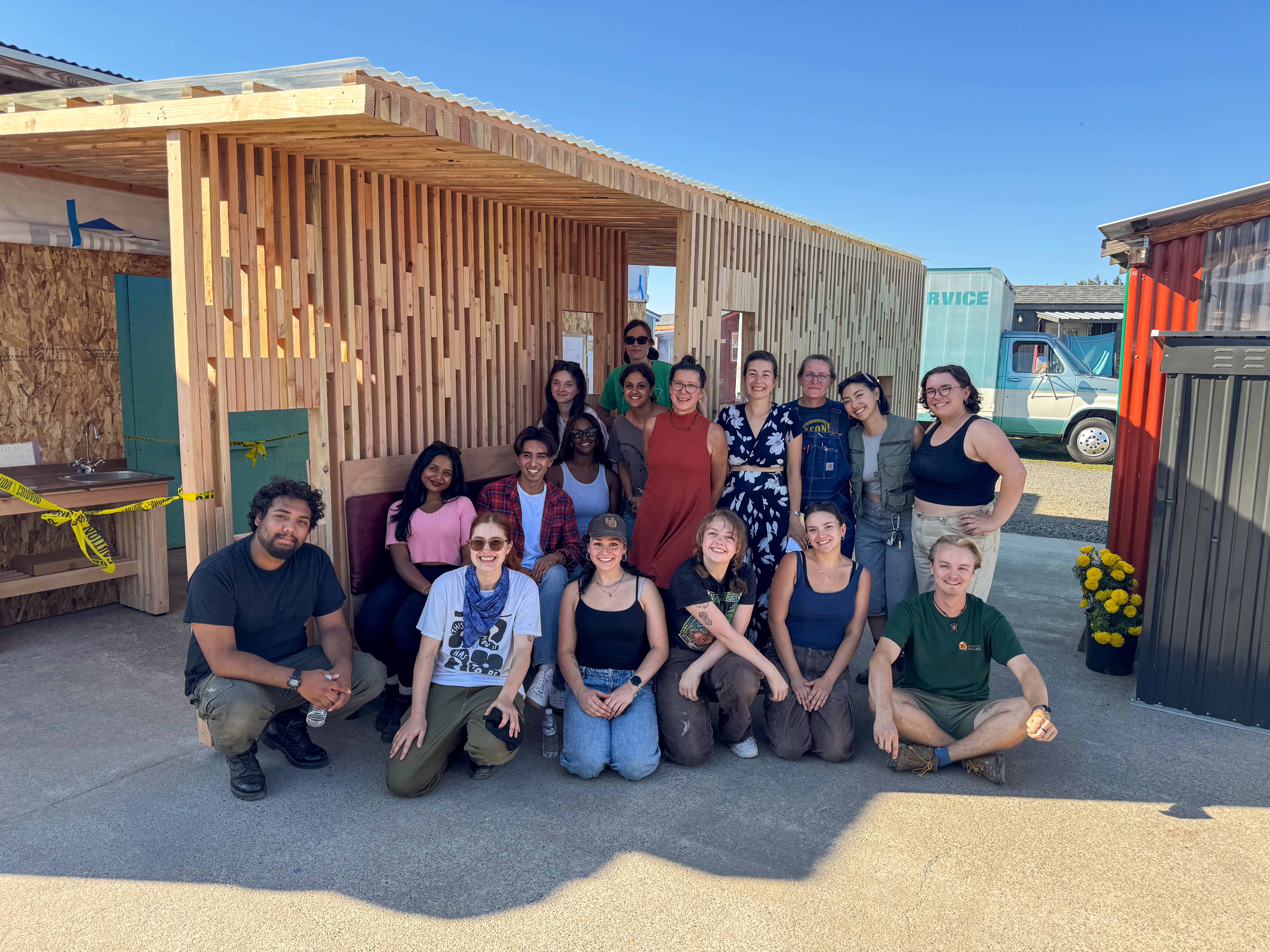
The 2025 Bruton Design Intensive (BDI) two-week Design-Build workshop will continue working with Everyone Village, a non-profit organization based in Eugene that provides transitional shelter to individuals experiencing homelessness. The Village is located on a 3.5-acre property in west Eugene, and it currently serves about 75 people.
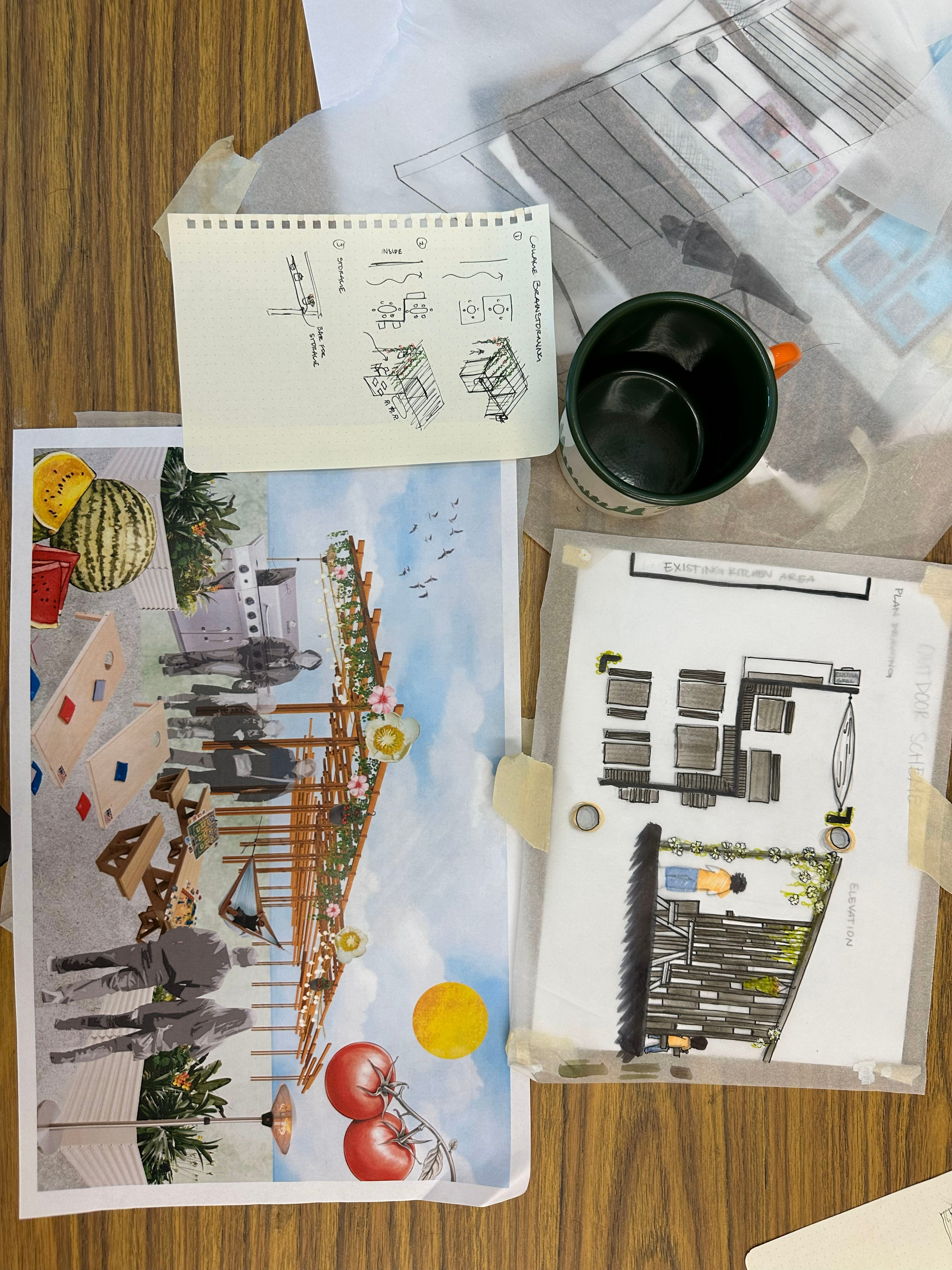
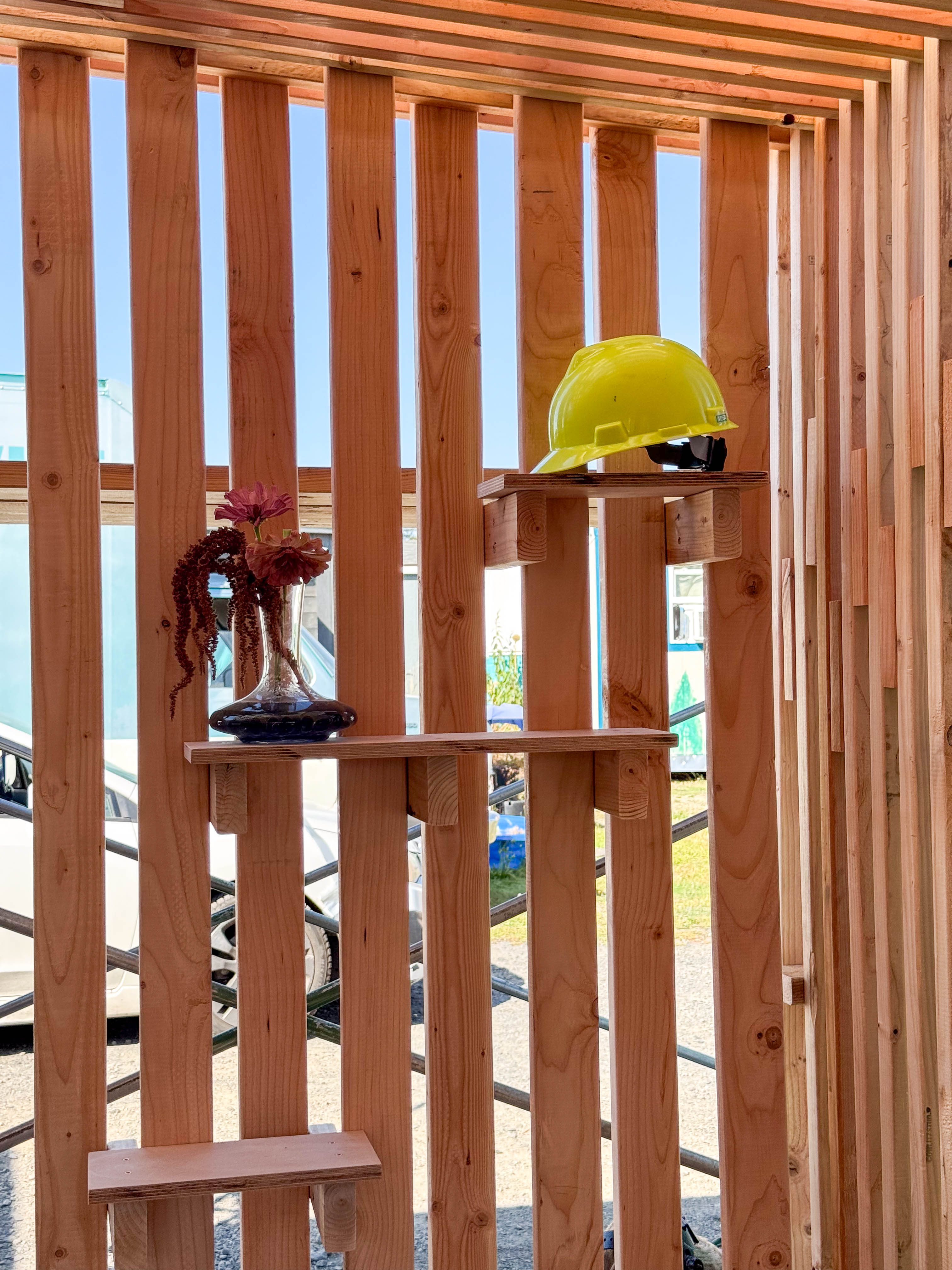
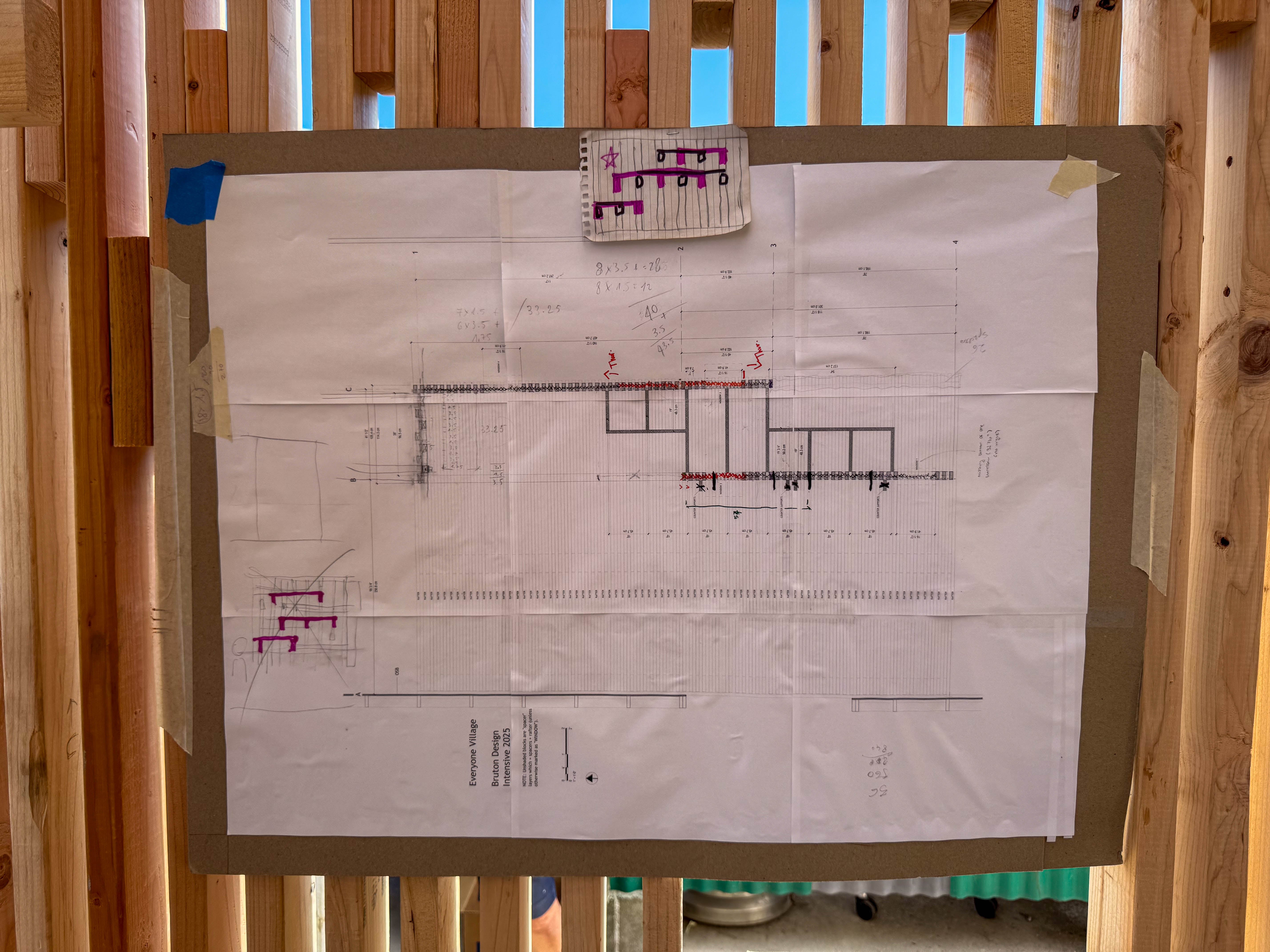
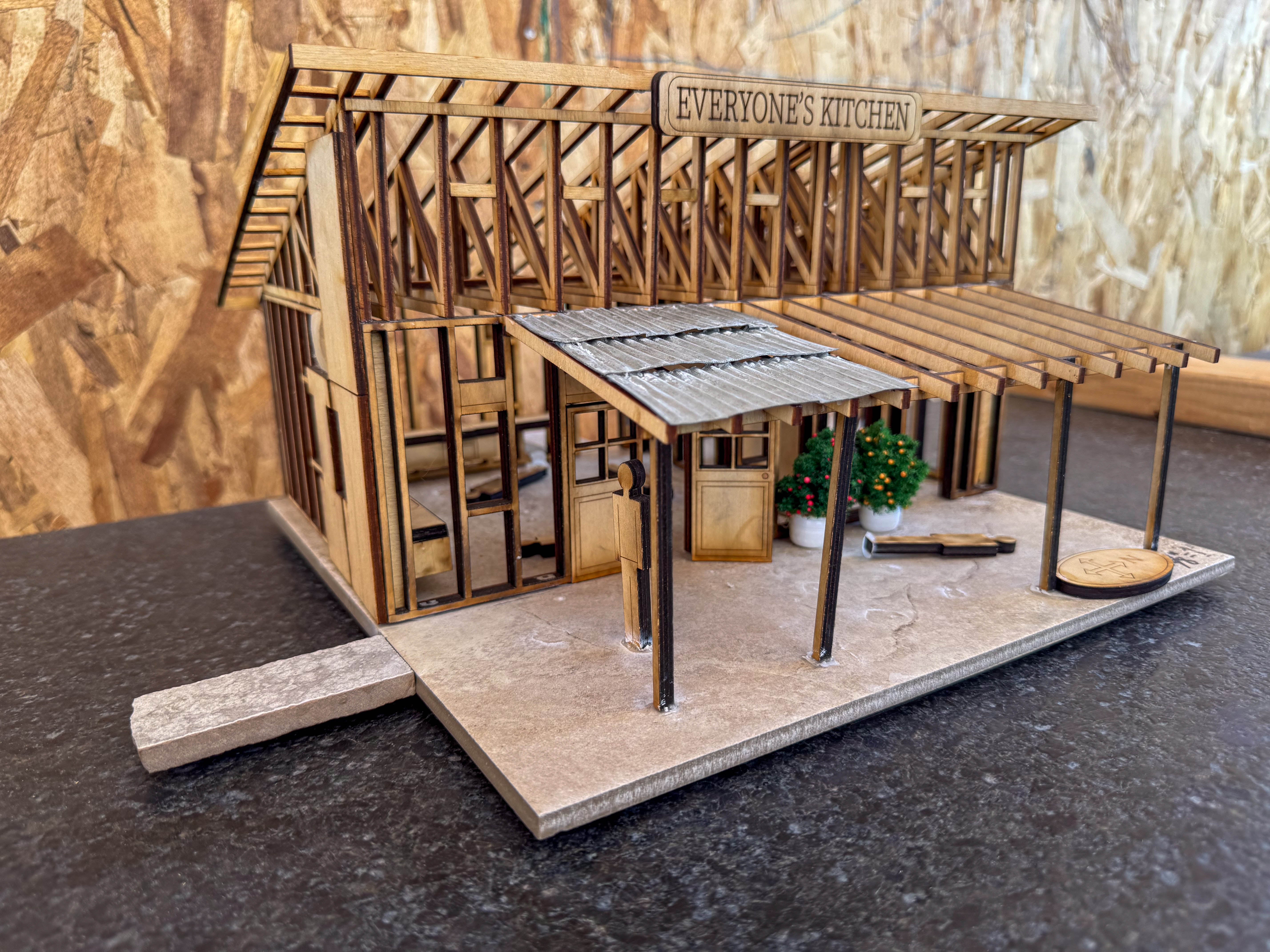
A shared space for cooking and eating will be designed and built, with both
functional implications and aesthetic-spatial qualities in mind.
Under the broader theme FOOD, the project will focus on four primary areas:
A) Teamwork and community cooperation
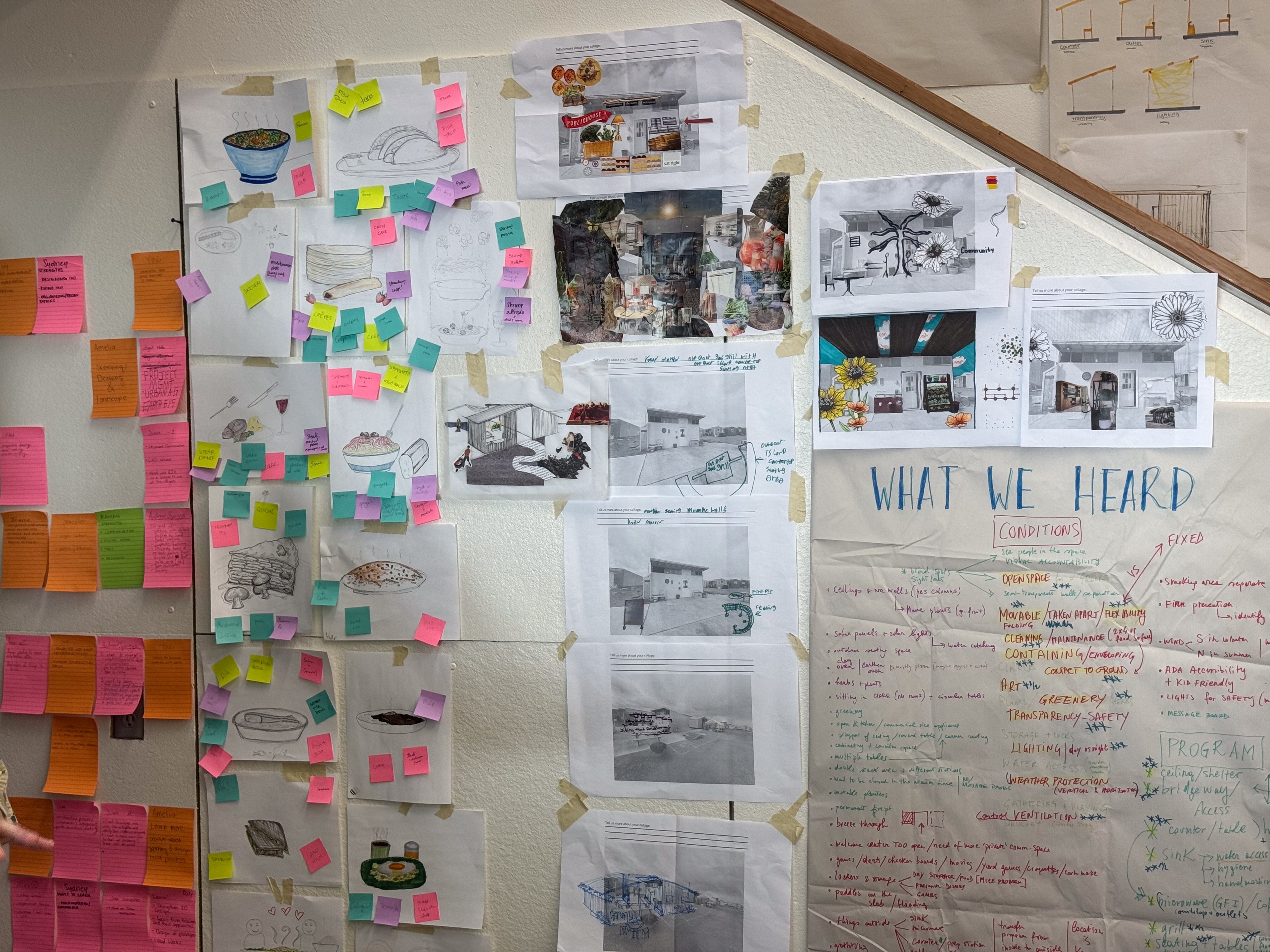
B) Conceptual approach meets participatory design
C) Exploring the spatial relationship between one's own basic needs and community impact
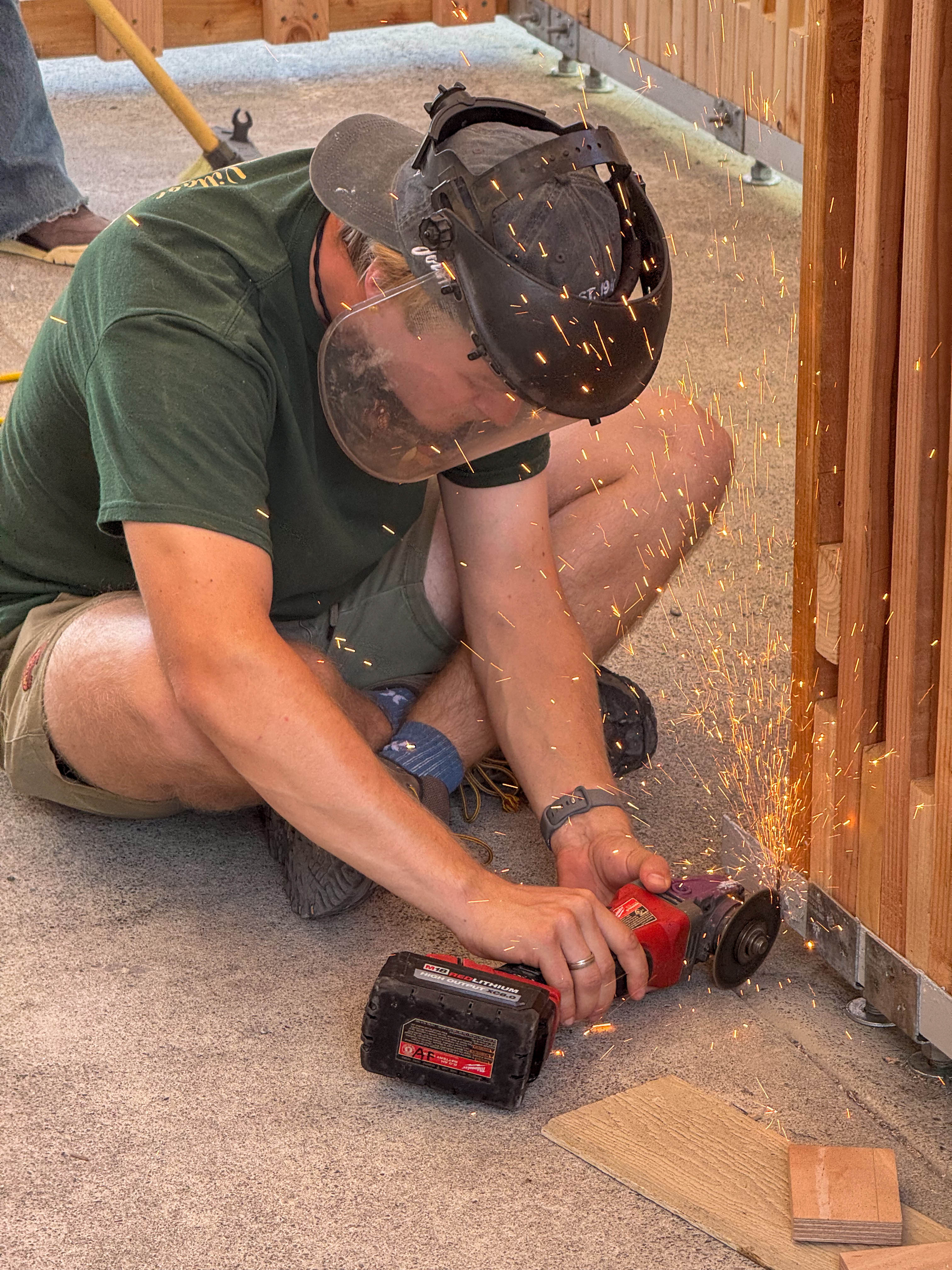
D) On-site implementation
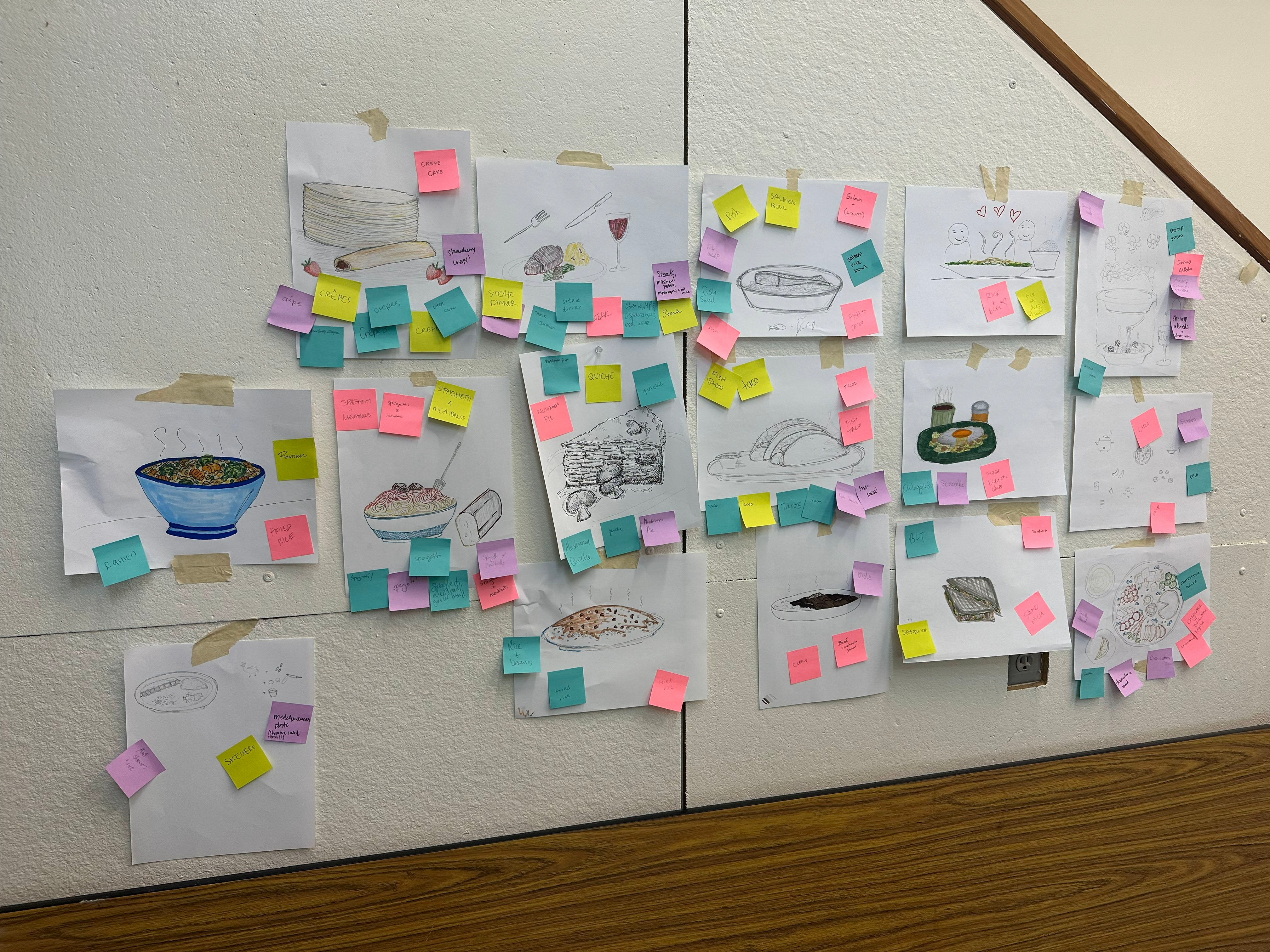
During the work at Everyone Village in 2024, it became evident that food is a central element for the villagers. Food deeply ties to personal stories and traumas, reflecting the complexity and communal power of this shared human necessity. The challenge is to bridge economic, cultural and
individual differences, to give space for the individual and existential, and to activate food as a catalyst for community empowerment, mental wellbeing, and physical health.
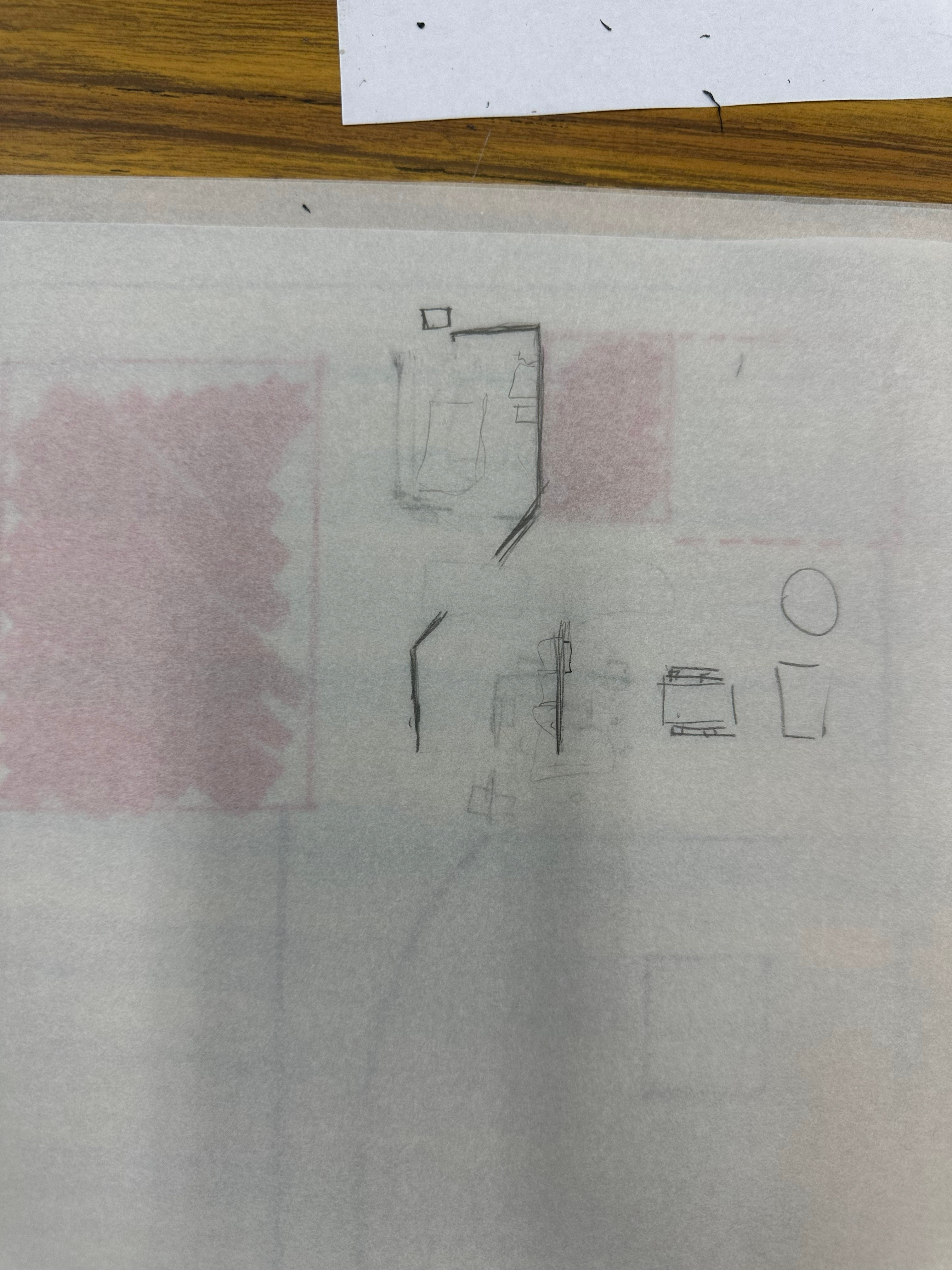
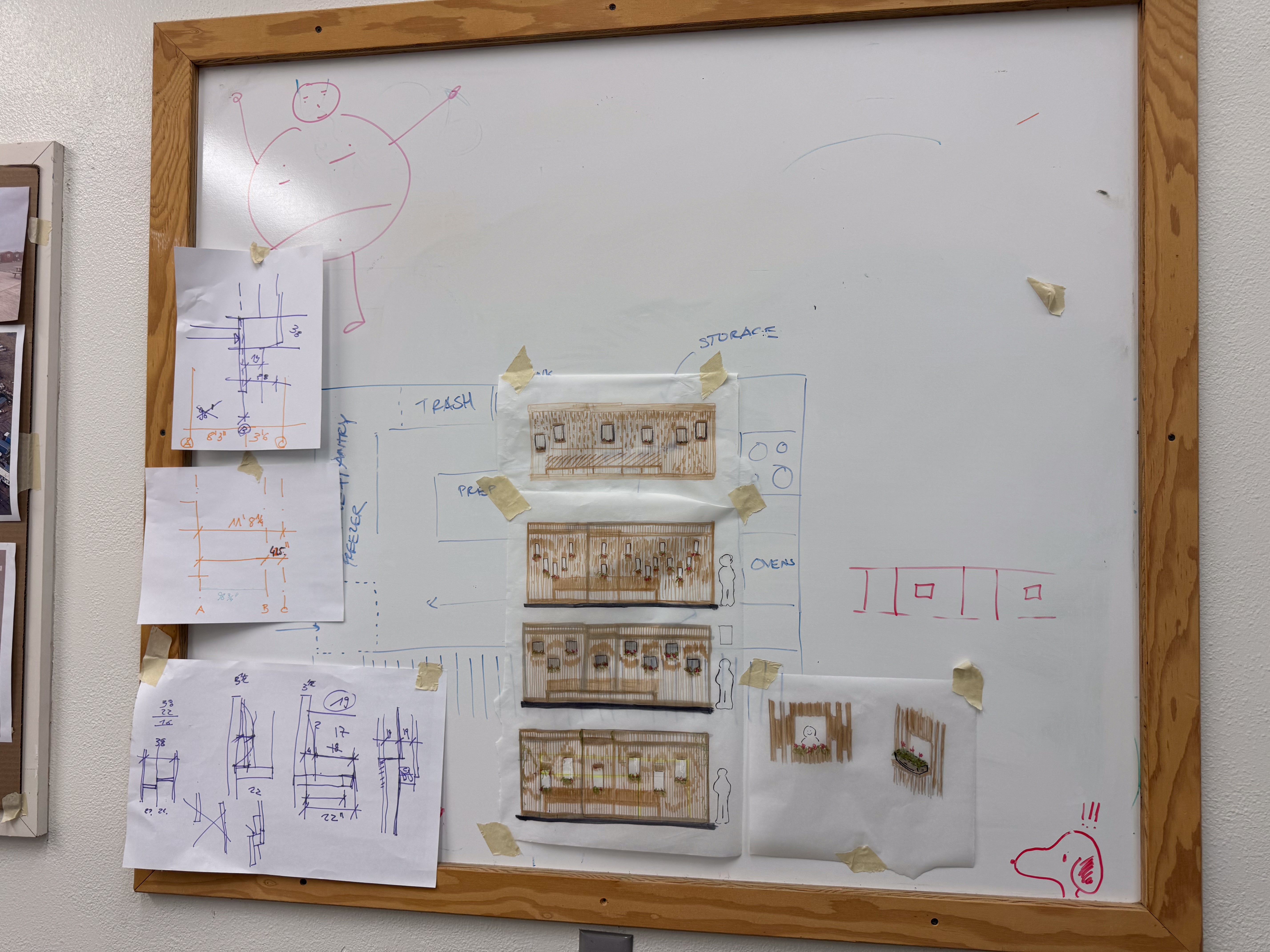
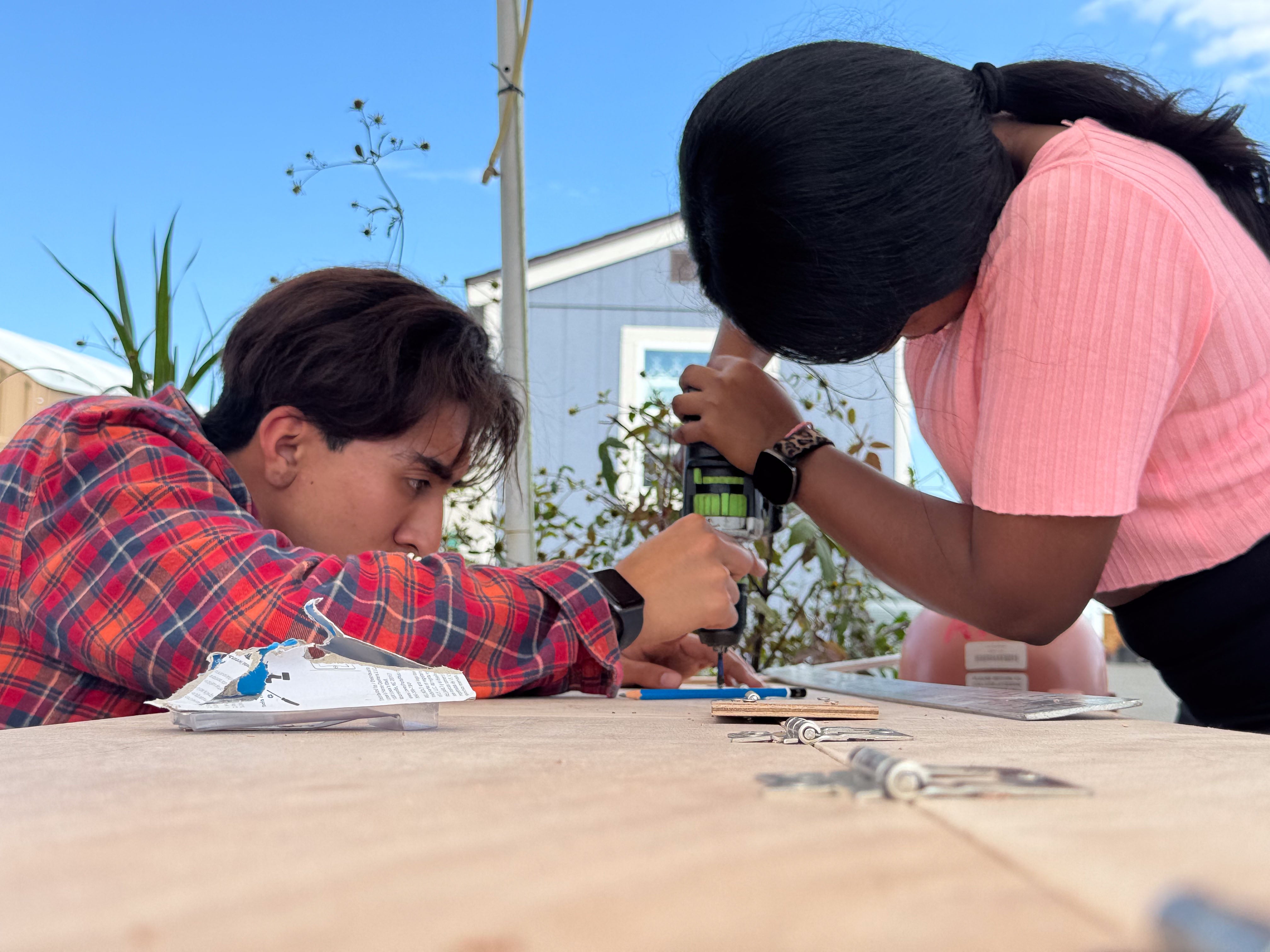
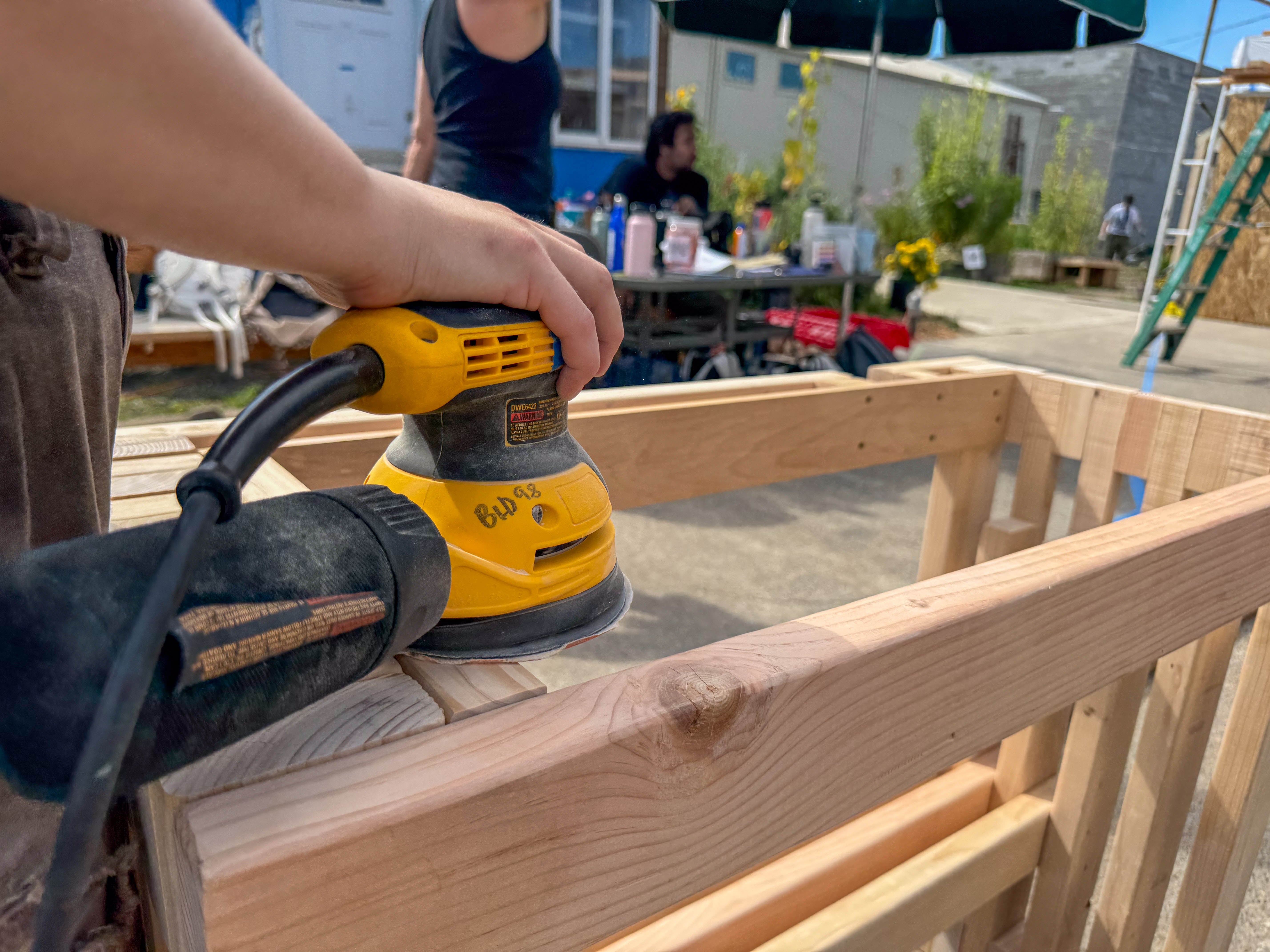
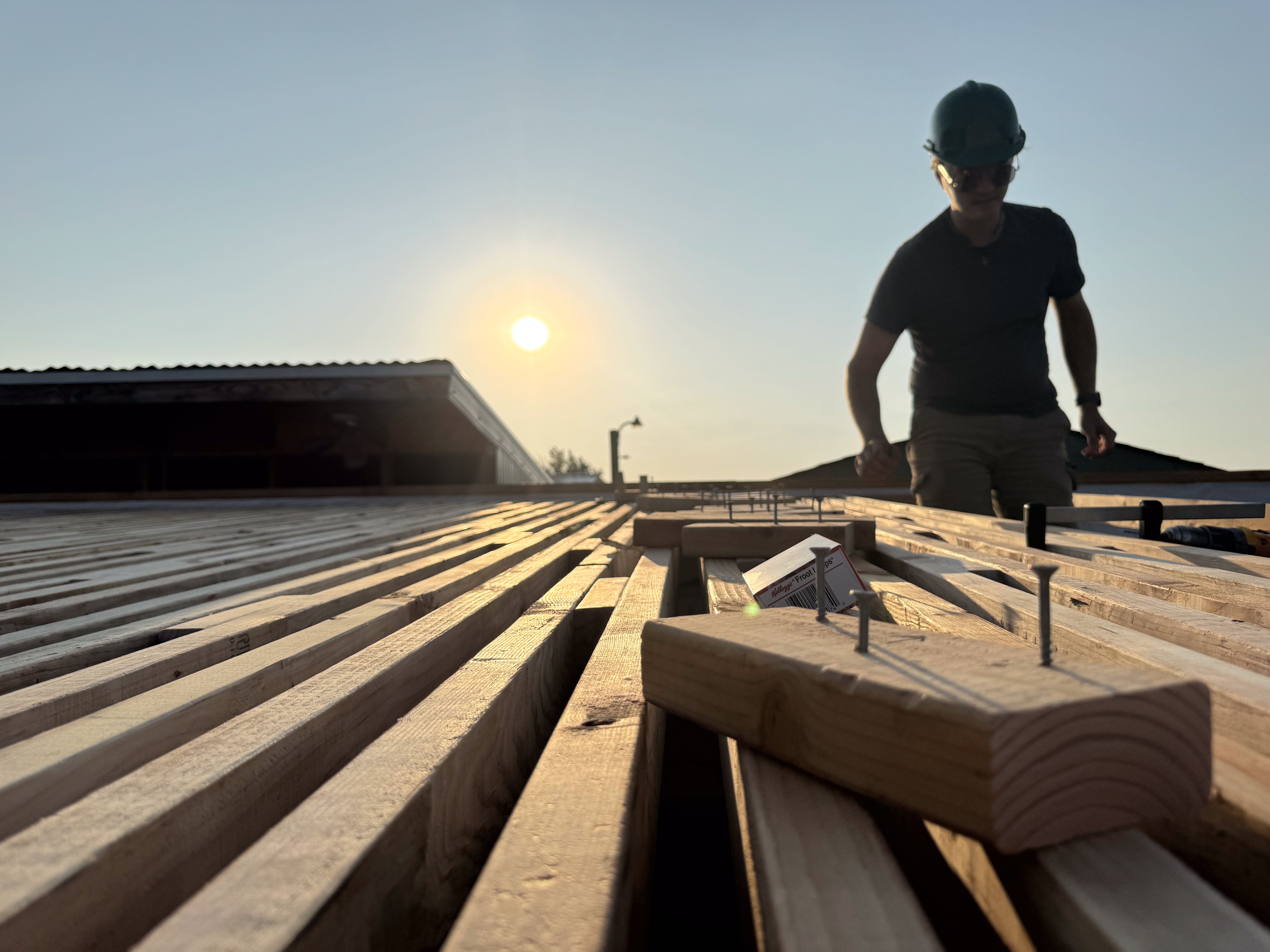
The DesignBuild intervention will focus on the existing spaces within the Village, including the Indoor Cooking Space, the Outdoor Cooking Space and the Communal Fire Pit. It will also help dealing with challenges such as missing rain protection, space limitation, appliances/equipment inadequacy, and lack of storage. We will explore how and where the neighborhood can

2025 Partners
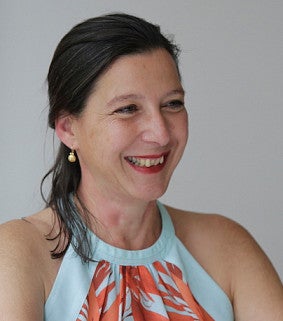
Ursula Hartig
Co-Founder,
CoCoon-Studio
Ursula Hartig is a German registered architect with more than 24 years of experience in academic DesignBuild. In 2005 she funded CoCoon-Studio as a sector for contextual design and construction in an intercultural and interdisciplinary context. CoCoon-Studio creates awareness of the social and cultural implication of doing architecture and promotes sustainability and social engagement in the production of living environments. CoCoon is dedicated to the DesignBuild-methodology, fostering academia to dedicate knowledge as service for the community.
Ursula teaches academic DesignBuild studios at Technical University Berlin, Munich University of Applied Sciences and Portland State University. She is the co-director of the international designbuildXchange network and the Design for the Common Good Network - two platforms aimed at connecting, promoting, and sharing knowledge across socially impactful and designbuild projects worldwide. Her international designbuild projects won various prizes including the D.A.M. prize, Biennale de Arquitectura Quito, and Fritz Höger Prize, amongst others.
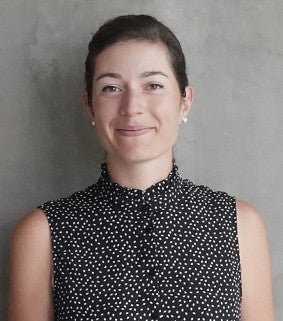
Marta Petteni, AIA International Associate
Founder & Principal,
Studio Petteni
Marta is an Italian licensed Architect and the Co-Founder of Studio Petteni - a Portland-based practice that merges research, engagement, and design to help address the social-environmental needs of the most vulnerable communities in Oregon and worldwide. Marta's decade-long experience lies at the intersection of design justice, post-disaster scenarios, climate change, and community resilience, and is in the advancement of the UN's Sustainable Development Goals.
Marta is also the Co-Director & Project Manager of the AfroFuturism Oasis project, an innovative proposal aimed at converting retiring MAX Trains into safe and healing spaces for Portland’s Black and Brown communities. She has been awarded the 2024 Van Evera Bailey Fellowship from the Architecture Foundation of Oregon to expand this work.
Since 2015, Marta has worked on a variety of research and design-build projects in Italy, Spain, Ecuador, Fiji, and the United States, covering various roles – as a team member of for-profit and nonprofit organizations, as an independent consultant, and as an adjunct professor at Portland State University.